Standard Specification for Aviation Turbine Fuel Containing Synthesized Hydrocarbons
Get more information about the standard at ASTM D7566
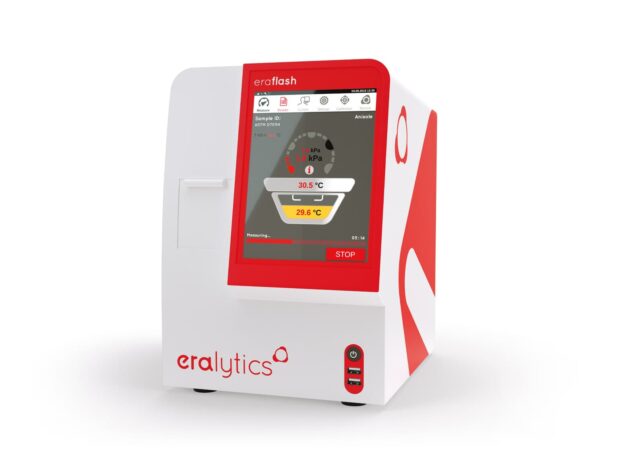
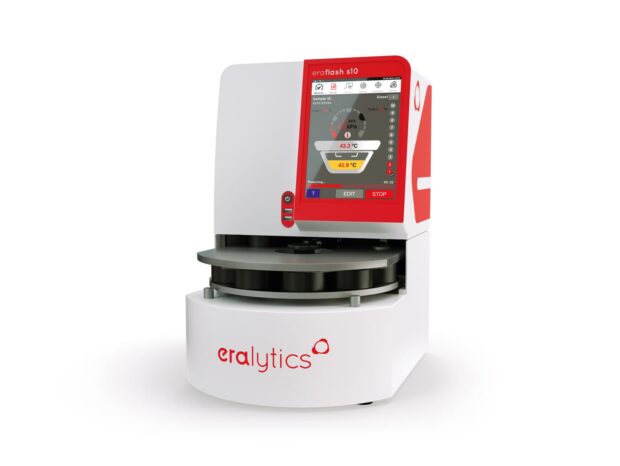
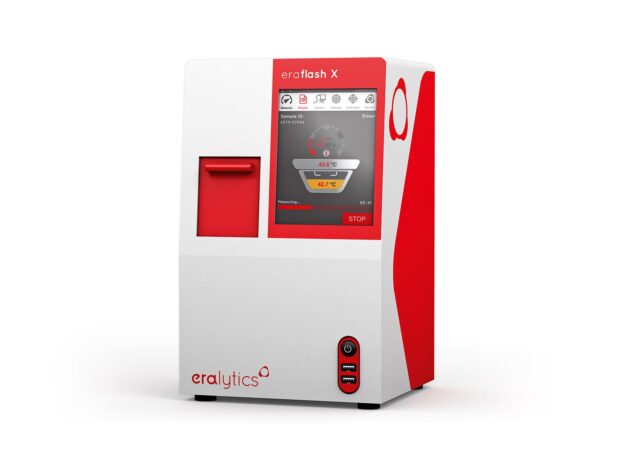
ASTM D7566 is a globally recognized standard that specifies the requirements for aviation turbine fuel containing synthesized hydrocarbons. This standard establishes the performance, composition, and physical property criteria for “drop-in” Sustainable Aviation Fuel (SAF), which can be blended with conventional jet fuel without requiring modifications to aircraft or infrastructure. With the aviation industry’s shift toward decarbonization, ASTM D7566 ensures the safety, reliability, and environmental integrity of alternative fuels.+1
Details
The ASTM D7566 standard defines the characteristics and quality benchmarks for SAF, including flash point, freezing point, viscosity, and energy density. Furthermore it currently includes several “Annexes” that approve different production pathways, such as HEFA (Hydroprocessed Esters and Fatty Acids) and SIP (Synthesized Iso-Paraffins).
Adherence to this standard is critical for ensuring that sustainable fuels behave identically to traditional Jet A/A-1. For instance, the flash point is strictly regulated to ensure safety during handling and transport, while the freezing point must remain low enough for high-altitude flight. By meeting ASTM D7566, producers can guarantee that their sustainable fuels are fully compatible with existing global aviation fleets.
Industries & Applications
ASTM D7566 is the cornerstone of modern sustainable aviation:
- Commercial Aviation: Enables airlines to reduce their carbon footprint by using approved SAF blends for long-haul and regional flights.
- Fuel Production: Provides a clear roadmap for refineries and bio-fuel startups to certify their products for aviation use.
- Military Aerospace: Guides the procurement of alternative fuels for defense fleets to ensure energy security and tactical reliability.
- Environmental & Regulatory: Assists governments and international bodies in verifying emission reduction claims and meeting “Net Zero” aviation targets.