Get more information about the standard at ASTM D4953-20.
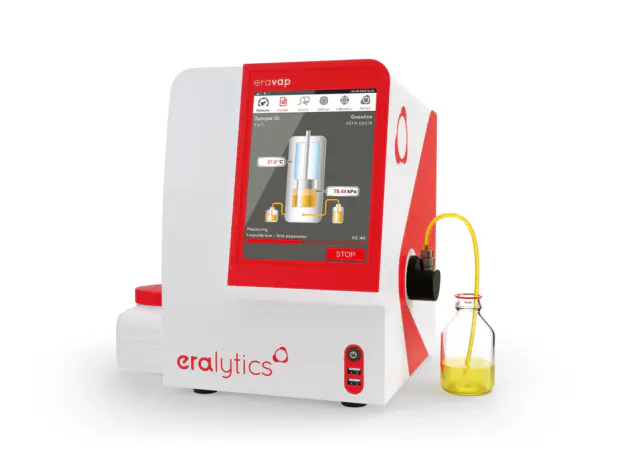
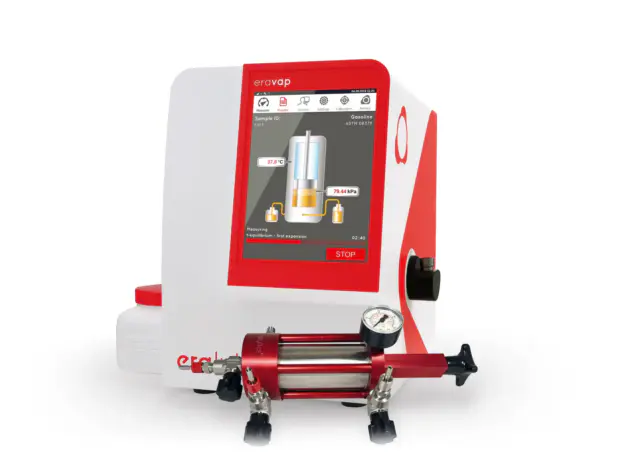
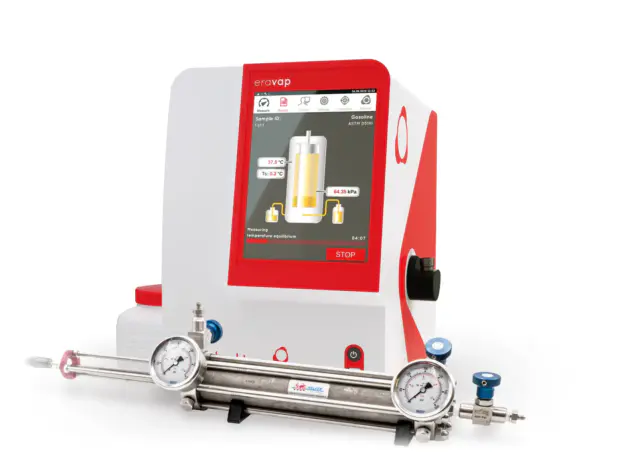
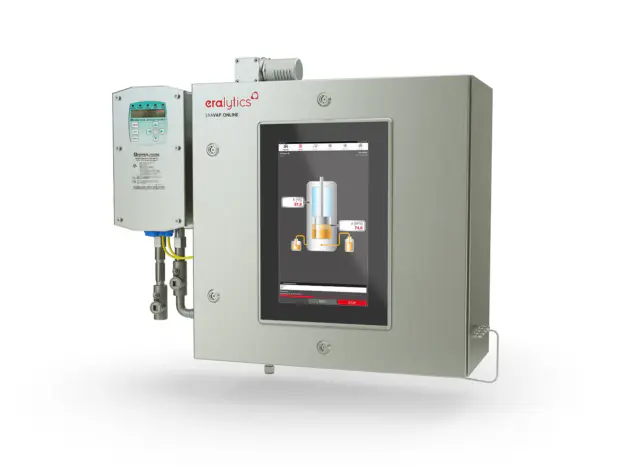
ASTM D4953 defines a procedure to measure the vapor pressure of gasoline and its blends with oxygenates (Dry Method). Vapor pressure is a critical property of automotive fuels, as it affects engine performance, fuel evaporation, emissions, and safety during storage and transportation. This standard is widely applied in fuel quality testing to ensure compliance with environmental regulations and operational requirements. ASTM D4953 uses a dry vapor pressure test method to determine the absolute vapor pressure of gasoline and gasoline-oxygenate blends at a standard temperature (usually 37.8°C or 100°F).
Industries & Applications
ASTM D4953 is widely used in several industries, including:
- Petroleum refining: Refineries use the standard to optimize fuel formulations and meet vapor pressure specifications for different markets and seasons
- Fuel blending facilities: Used to ensure gasoline-ethanol blends comply with regulatory limits for vapor pressure
- Automotive industry: Ensures fuels meet performance and emissions requirements for modern engines
- Environmental agencies: Regulatory bodies monitor fuel vapor pressure to control evaporative emissions and reduce environmental impact
- Fuel storage and distribution: Ensures fuel safety during storage and transportation, particularly in warm climates